


Getting to Know Tarahan Machinery Concrete Moulds
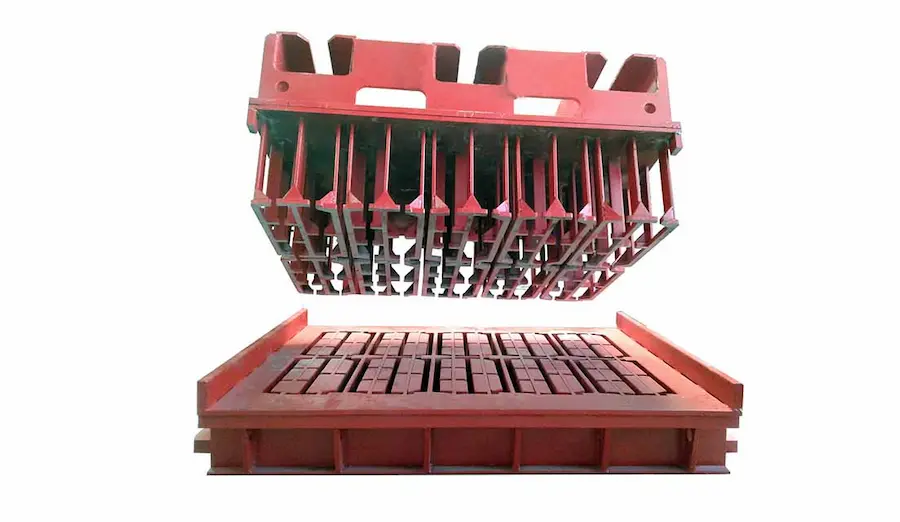
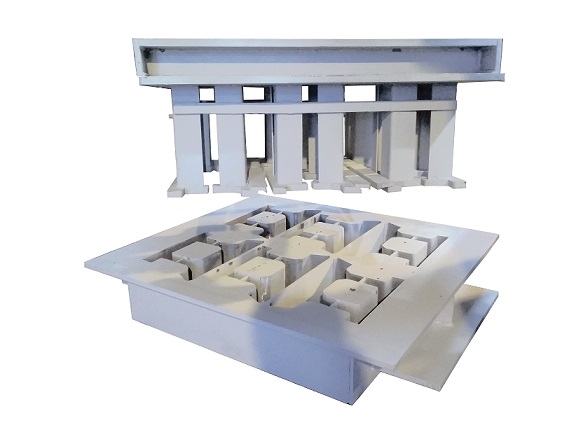
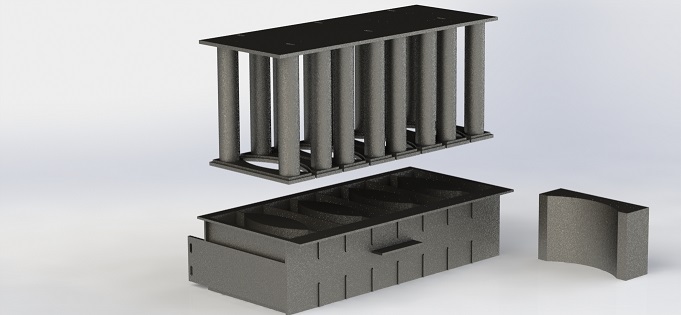
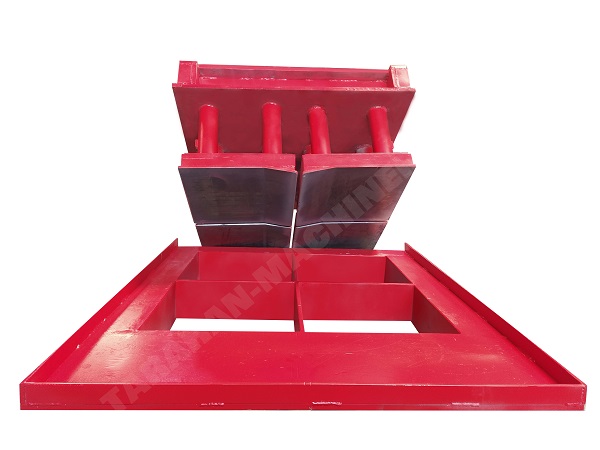
Relying on precise engineering and field experience, Tarahan Machinery designs and builds concrete moulds for concrete-products lines — including all kinds of cement-block moulds, kerbstone moulds, paving (flag-stone) moulds, flower-box moulds, and gutter and caniveau moulds. Our goal here is simple: to bring your production line to a uniform output, less waste and stable quality at high volume. Below, you will first get to know the types of mould, and then we follow the path of selection, customisation, pricing and support step by step, so that your decision to buy a kerbstone, block or paving mould is clear and low-risk.
Types of Tarahan Machinery Concrete Mould
At Tarahan Machinery, each group of steel concrete moulds is defined by a specific output part; from paving and flag-stone moulds to caniveau moulds for channelling water and street-kerbstone moulds, all belong to the product range you can view and buy among Tarahan”s products.
Cement-Block Mould
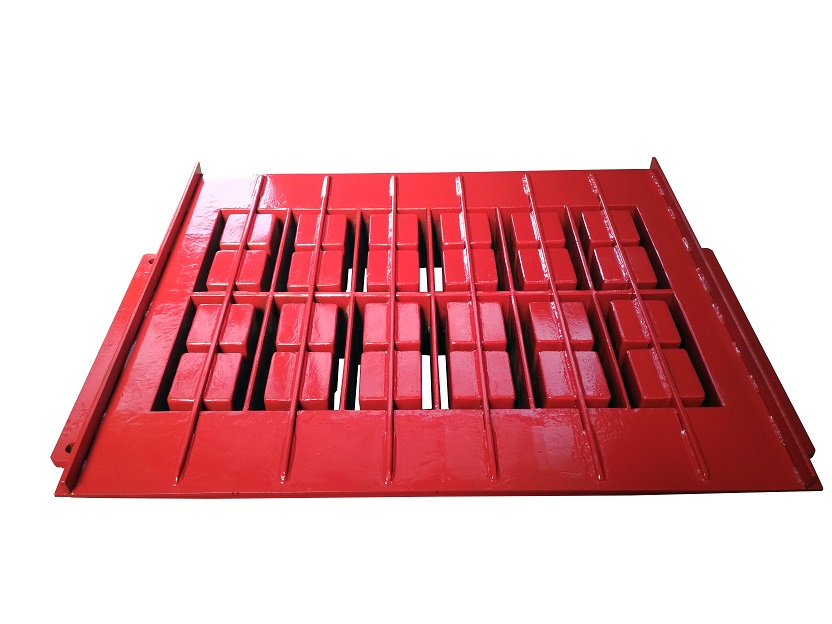
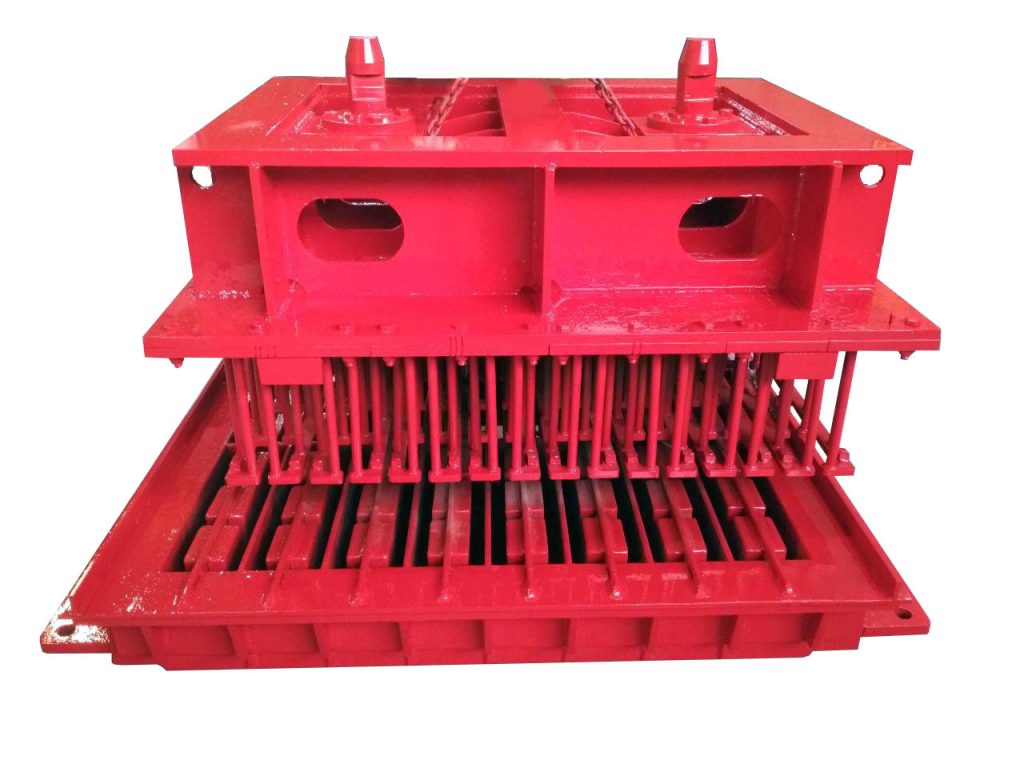
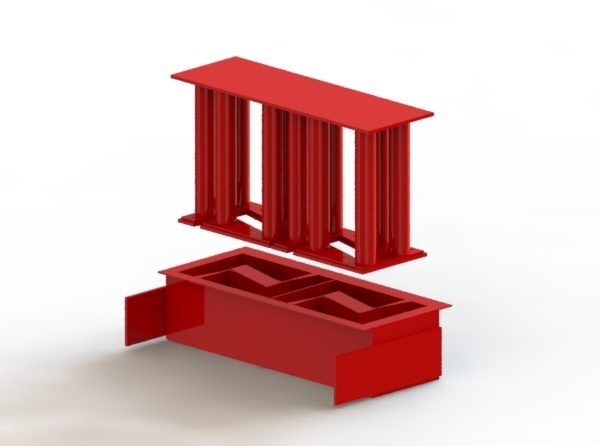
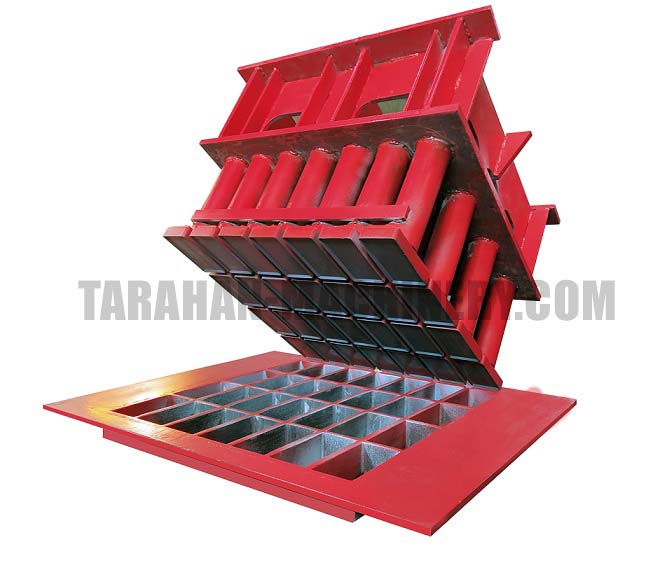
We design and build all kinds of block moulds for the block machine to produce building blocks, patterned blocks, interlocking blocks and more, in different sizes, according to the machine type (manual, semi-automatic and fully automatic). The cement-block mould has three main sub-categories that cover the common needs of workshops. Below we look at the three main categories of cement-block moulds:
Wall-Block Mould
If your goal is to produce blocks for load-bearing and non-load-bearing walls, this option is designed with custom dimensions, an optimal number of cavities and suitable edge radii, so that both the wall”s strength is preserved and the part is ejected quickly and flawlessly. When ordering and buying a cement wall-block mould, you only need to provide the project specifications so that an exact version is designed for you.
Partition-Block Mould
For partition walls you need light, uniform, clean partition blocks. With controlled dimensional tolerances and a uniform surface, this mould guarantees orderly stacking and packing. On smaller production lines, a manual block mould can also be used.
Roof-Block Mould
For joist-and-block (rib-and-block) systems, resistant edges, suitable ejection angles and stable dimensions of the concrete parts are especially important so that chipping is minimised and the production speed does not drop. This sub-category of steel concrete mould is built precisely for this need.
Concrete Kerbstone Mould
When it comes to urban walkways or garden grounds, the uniformity of the finish and the durability of the edges are the main deciding factors in choosing and buying a kerbstone mould. The kerbstone mould is designed according to the street or garden-border use and the installation requirements of the projects, so that the final part is both beautiful and highly durable. To learn more about this product and the differences between the cement kerbstone-mould models, at the quotation stage you can receive the concrete kerbstone-mould price based on dimensions, volume and form type.
Concrete Paving / Flag-Stone Mould
In high-traffic areas, the surface quality of the concrete part produced and thickness control are what matter most. Compatible with the paving machine, these moulds guarantee a high-quality mosaic-concrete pattern and reduced edge chipping. If you are thinking about changing the motifs or thicknesses, custom-spec paving moulds can be built, and technical advice is provided for buying a concrete paving mould if needed.
Concrete Flower-Box Mould
Flower-box moulds are designed and built to produce urban planters in cubic, cylindrical and rectangular forms. The aim of this design is a uniform final surface, tidy corners and suitable strength of the part during handling. If needed, a concrete-planter mould can also be built from a custom drawing and dimensions.
Concrete Gutter and Caniveau Mould
These moulds are used to produce parts that collect and channel surface water. Precision in designing the edges and joints makes the parts fit together correctly on site and reduces water leakage. Controlling the internal dimensions and providing connection guides improves installation quality and speeds up the work.
Customising the Concrete Moulds You Have in Mind
After getting to know the range of concrete moulds, it is time to match the mould precisely to your machine. At Tarahan Machinery, concrete moulds can also be customised. It does not matter whether the production machine is made by Tarahan itself or by other companies, or even what mould you need; from paving and nostalit moulds to interlocking, tongue-and-groove, Lego-block moulds and precast parts, all can be customised at Tarahan Machinery.
- Bespoke design: dimensions, surface pattern (motif and texture on the part), grooves, edge chamfers, edge radii, and ejection details and features are set according to a drawing or sample.
- Equipment compatibility: full coordination and easy installation of the mould on the machine.
Common Technical Features of Tarahan Concrete Moulds
- Controlled dimensional tolerances and a smooth, uniform part surface so that adhesion is reduced and the part separates smoothly from the mould (with a suitable draft angle for release).
- Modular design for easy assembly and disassembly of the mould parts, faster periodic servicing and less production-line downtime.
- Good resistance to wear and impact for stable performance in continuous production.
- The option to replace or refit wear liners, bushings and contact plates, to extend the mould”s economical life and reduce maintenance costs.
Price and Purchase of Concrete Moulds
Once the need and the drawing or part dimensions are defined, an accurate price estimate can be provided. The factors that affect the final cost are:
- The dimensions and geometric complexity of the part and its design details.
- The type of steel and the heat treatment used.
- The number and type of functional details (groove, chamfer, edge radius, draft angle).
- The machine model and the table or pallet size.
- The order volume and the production schedule.
For block, kerbstone and paving projects, you can get the price of a manual, semi-automatic or fully automatic block mould, or the price of a concrete kerbstone or paving mould, by sending the specifications. After the project is assessed, the final proposal and build schedule are presented to you.
After-Sales Service and Support
At Tarahan Machinery, besides designing and building concrete-products machines, we stay with you even after the purchase:
- Repair, refurbishment and rebuilding of worn moulds, restoring the tolerances and replacing consumable parts.
- Supply of spare parts and periodic servicing suited to the volume and part type.
- Technical support from the engineering unit, from commissioning to reaching the target quality, together with training on maintenance points.
Why Tarahan Machinery Moulds?
- Engineering precision and long-term durability: design and build based on industrial standards, with guaranteed high precision and durability of the parts.
- Controlled materials and manufacturing process: use of quality steels; laser cutting for all cuts, high-precision CNC milling of the sensitive parts, controlled welding, and stage-by-stage quality control up to delivery.
- Compatibility with your equipment: full adaptation to Tarahan-brand production machines as well as common market brands.
- Customisation and export experience: a successful record of bespoke design from a drawing or sample and delivery of domestic and international projects.
Frequently Asked Questions
What factors affect the life of a concrete mould?
The choice of steel grade, the quality of heat treatment, the vibration and press settings, the design of the part-release details, and the periodic maintenance plan. Regular cleaning and the use of a suitable release agent noticeably extend the mould”s life.
What is the build time and the order process?
After receiving the product specifications or drawing, a technical and financial estimate is provided. With your approval, the detailed design is done, the build and assembly proceed, and a final quality check is carried out. Then the test and delivery schedule is announced.
What quality tests are carried out before delivery?
Dimensional inspection against the drawing, an assembly test, weld inspection and overall conformity with the order specifications. If the customer requires it, a sample is produced and tested with the mould.
Which machines are the moulds compatible with?
These moulds are designed and built to be compatible with all Iranian and foreign machines. When ordering, state the machine model, the type of vibration or press system and the production-line conditions so that the build details are adapted.
For expert advice, choosing the right mould for your project, and an up-to-date price quote, contact our sales unit right now.