


Did you know that picking the wrong one among the main types of concrete mixers (betoniere, truck mixer or industrial mixer) can raise your cement bill by up to 15%? On construction projects, the difference between a small site mixer, a betoniere and a truck mixer is not only machine size; it comes down to “mixing accuracy” and your “return on investment.” In plain terms: if your project is small (under 1 cubic meter of concrete per batch), you need a betoniere. If you buy ready-mix concrete from a plant, a truck mixer is the best option. But if you manufacture concrete products (blocks and curbstones), neither of these will meet your needs, and you should turn to industrial mixers to prevent cement waste.
If you want to know which machine is more economical for the size of your project, this complete guide from Tarahan Machinery lays out the path to optimizing your production line.
Concrete Mixing Equipment at a Glance
| Feature | Site mixer / jobsite betoniere | Truck mixer | Industrial mixers (DM series) |
| Capacity | 120 to 1,000 liters | 6 to 12 cubic meters | 300 to 2,000 liters |
| Where it is used | On small job sites | Hauling from the plant to the job site | Concrete products production line |
| Mixing accuracy | Poor | Medium | High |
| Main purpose | Making mortar on site | Keeping concrete from stiffening on the way to the job site | Mass production with minimal waste |
From Site Mixer to Betoniere: Which Mechanism Is More Economical for You?
Many people think these two are the same, but in engineering terms a betoniere is the industrial, more durable version of the old site mixer.
A Complete Look at the Site Mixer
A site mixer (the traditional concrete mixer) is a simpler machine used to mix mortar and concrete in limited volumes. These machines usually have a lower capacity (about 120 to 300 liters) and a simpler design, and they are mostly used on small projects or light work.
More About the Betoniere
A betoniere, or drum mixer, is considered the more advanced and more industrial version of the site mixer, designed to produce more uniform concrete in larger volumes. It comes in a range of capacities (from 250 to 1,000 liters and more), can be moved around the site, and is offered with different power transmission systems (girth gear, bottom gear, gearbox). A betoniere suits semi-professional to professional building projects.
Types of Power Transmission in a Betoniere
- Girth gear betoniere: This type is inexpensive, but its high noise and the long-term wear of its gears add up to real costs.
- Bottom gear betoniere: Very quiet and very safe, it is an excellent option for projects inside the city.
- Gearbox betoniere: The first choice of professionals. Worm gearboxes deliver high torque and a long service life. Knowing this, Tarahan Machinery gives priority to gearbox models so the risk of your production line stopping stays at a minimum.
Comparison Table of Betoniere Types by Power Transmission Mechanism
| Mixer type | Power transmission mechanism | Key advantages | Best use |
| Girth gear | Large gear around the drum | Easy repairs, affordable price | General projects and renovation |
| Bottom gear | Power transmitted from the underside | Very low noise, higher safety | Urban and residential projects |
| Gearbox | Worm gearbox (VF) | High torque, minimal wear | Heavy mixes that require continuous production |
Truck Mixer: A Mobile Concrete Plant
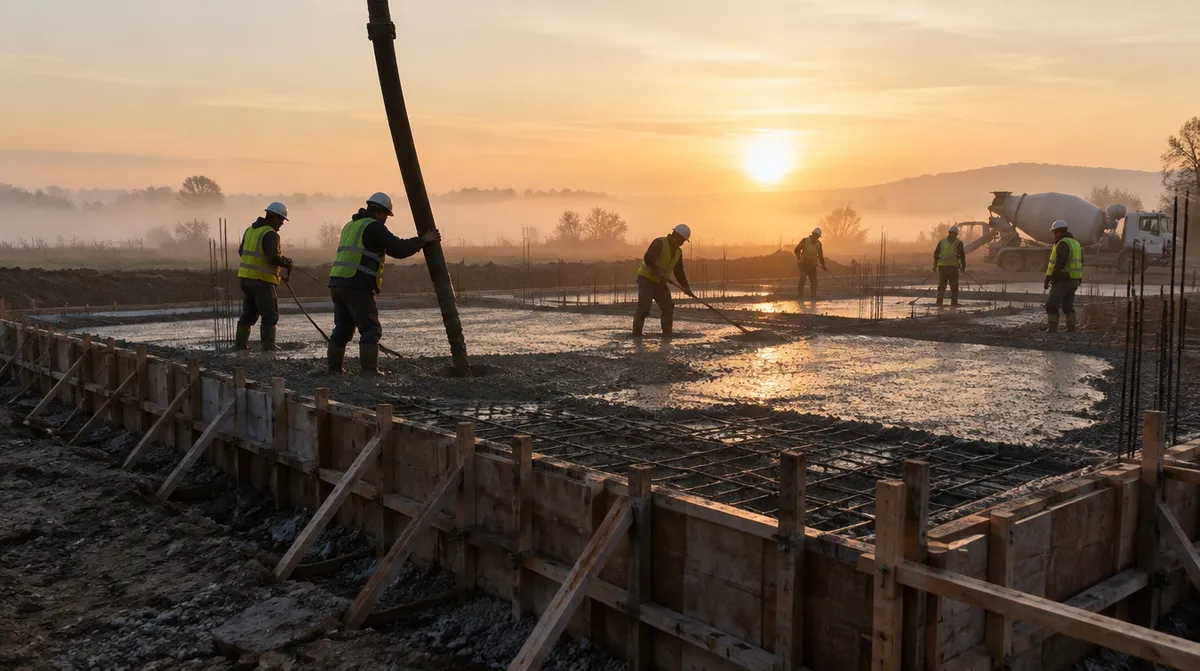
A truck mixer is not just a concrete transport vehicle. It is a mobile reactor (a mobile concrete plant) whose job is to preserve the rheological properties of the concrete (its texture, consistency and flowability) all the way to the job site. The internal spiral blades keep the material moving and so prevent segregation, also called “two-phasing,” in which the gravel separates from the cement paste; this keeps the concrete from settling on the way. The most important point to watch is that during the trip the drum speed must be set between 2 and 6 rpm. If the drum turns faster, it causes friction, a rise in temperature and evaporation of the water in the concrete, which engineers call “burning the concrete,” along with a sharp slump loss.
Types of Industrial Mixers
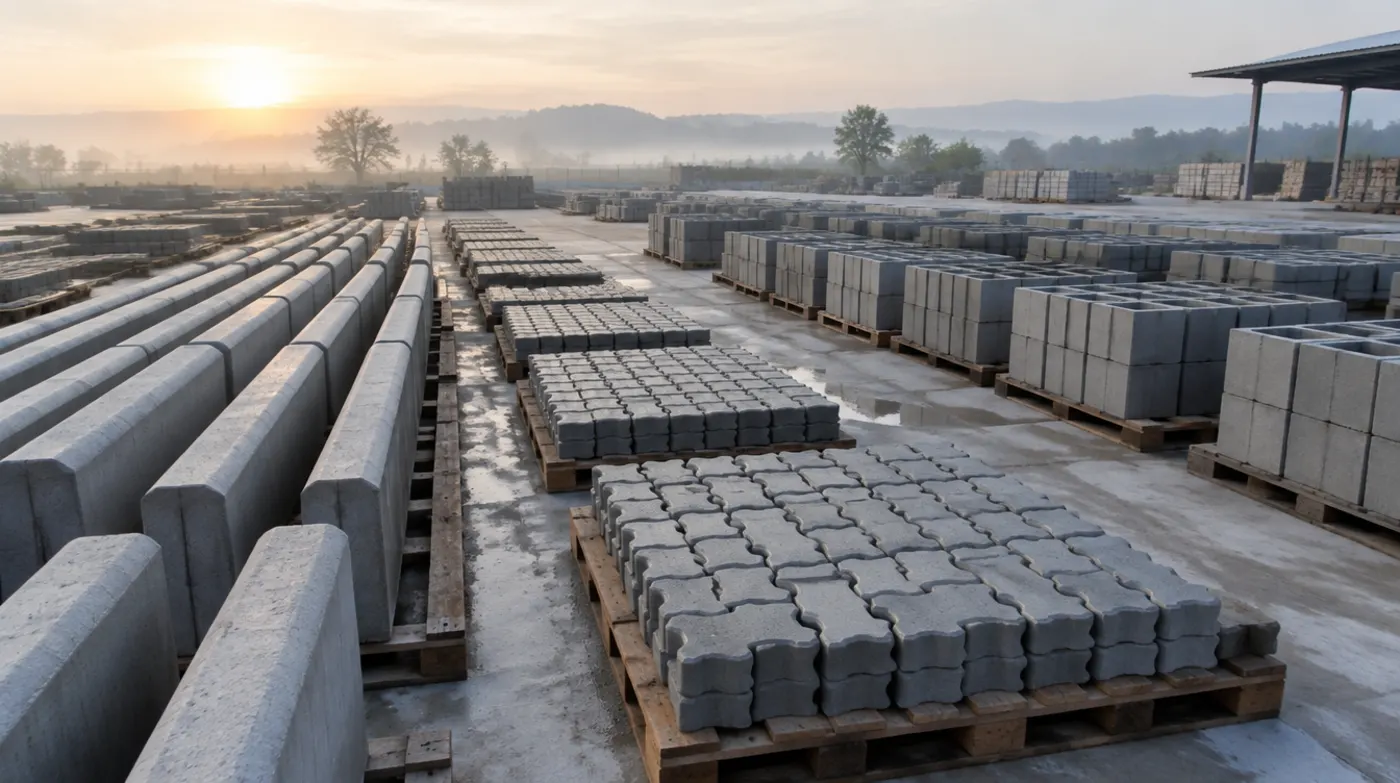
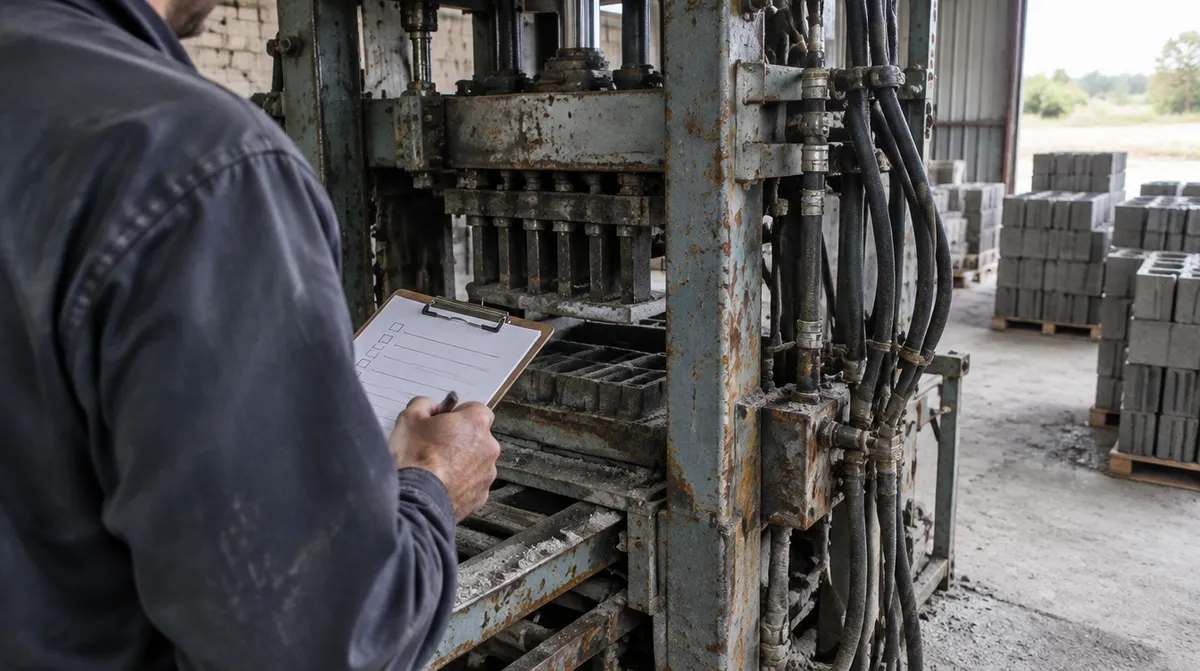
In the production of concrete products such as blocks, curbstones and paving stones, the mix is usually “semi-dry” or “earth-moist.” Because of its low moisture, this kind of mix is very hard to blend. If the mixer lacks power or its blades are not properly engineered, the cement balls up instead of combining, and the finished product cracks or loses strength. Understanding these technical challenges, Tarahan Machinery has developed its product range in four specialized categories to give professional producers a precise answer to their needs. Each of these machines is introduced below:
Twin Shaft Mixer: The Peak of Engineering in Ready-Mix Concrete Production
If you want to produce concrete on a mass scale to the highest international standards, the Tarahan twin shaft mixer is the most suitable choice. With two parallel horizontal shafts, it creates a three-dimensional spiral flow in the mix.
- Remarkable mixing speed: This mixer can bring the stiffest concrete to 100% homogeneity in 30 to 90 seconds. That high speed means lower energy use and less wear on parts.
- Suited to fully automatic lines: Thanks to its very high mixing accuracy, the twin shaft mixer is the best option for ready-mix plants and large projects where the error tolerance must be zero.
- Long service life: In Tarahan products, this model is fitted with liners (internal linings) and ultra-hard anti-wear blades that stand up very well to the heavy pressure of stiff concrete.
Single Shaft Mixer
If you work on large civil projects such as bridges and high-rise towers, or on semi-heavy batching plants, the single shaft mixer is a strategic choice for you.
- Short mixing time: Thanks to the special angle of the blades on the horizontal shaft, this mixer can bring a large volume of concrete to full homogeneity in a very short time.
- Stress resistance: The shaft is made of special torsion-resistant steel so that it does not bend or break under the heavy load of stiff concrete.
- Balance of cost and efficiency: This mixer is ideal for plants that need output similar to a twin shaft mixer but want lower maintenance costs.
DM.H Series Block Making Mixer: Built for Stiff, Dry Mixes
If you run a block, curbstone or paving stone production line, the Tarahan horizontal mixer (DM.H series), known as the U-shaped mixer, is your first choice. Thanks to the special design of its blades, it mixes more uniformly than vertical models. Its standout features include:
- Real wear resistance: Unlike ordinary models on the market, Tarahan uses 20 mm wear-resistant plate on the floor and body of this machine.
- Hassle-free repairs: The cast iron blades and even the inner wall of the tank are replaceable, so you will not need a full rebuild of the body over the years.
- Capacity: This series is built in capacities from 800 to 2,000 liters, ideal for continuous work on semi-automatic and fully automatic lines.
Pan Mixer: For Ready-Mix Concrete and Demanding Products
With its powerful worm gearbox, the Tarahan pan mixer suits workshops that want bottom-up mixing. The concrete it produces is free of any air bubbles or cement balls. The features of this mixer include:
- Fast discharge: Two discharge gates can be installed to serve several production stations at the same time.
- Motor protection: The anti-wear paddles of the pan mixer are fitted with protective springs, so hitting coarse aggregate does not damage the motor or gearbox.
DM.V Series Mixer: The Smart Choice for Single-Phase Workshops
If you have no access to three-phase industrial power but still want to produce standard mix, the DM.V 300 is the only model that delivers professional performance on single-phase power. This round vertical mixer performs exceptionally well with semi-dry mixes and artificial stone.
Grout Mixer
When it comes to materials such as grout, slurry or industrial glaze, even the smallest unbroken lump in the mix can clog pumps or sharply lower quality during foundation grouting. The Tarahan grout mixer is engineered to solve exactly this problem.
- Lump-free mixing: At an optimal speed of 36 rpm, this machine homogenizes the material gently and accurately rather than beating it, so no dry clumps remain in the mix.
- Practical design: Its 260-liter tank is detachable, so cleaning (which is critical in grouting) can be done as quickly as possible.
- Easy to move: Its manageable weight and sturdy wheels let you move the machine, with no need for a crane, around
- different parts of the project or workshop.
Drum Mixer: Economical and Practical for General Projects
Drum mixers are the traditional barrel-type mixers used to blend “wet” concrete in small volumes on general building projects. Unlike heavy industrial mixers, they have a simpler structure, and they are the best economical option for contractors who constantly move between different urban projects.
- Easy to use: Ideal for building mortars, floor concreting and local projects.
- Low maintenance cost: Because their hydraulic and mechanical parts are simple, repairs on these machines are very fast and inexpensive.
Mixer Selection Table by Project Type and Production Need
To find out which machine is exactly right for your production line, use this guide:
| Mixer name | Suitable for | Strategic advantage for the producer |
| Twin Shaft Mixer | Ready-mix concrete and huge projects (dams, bridges, towers) | 100% homogeneous mixing in under 90 seconds and outstanding durability |
| DM.H Series Horizontal Mixer | Block and curbstone making (high-output, industrial) | 20 mm wear-resistant body and U-shaped design for dry mix |
| Pan Mixer | Paving stones, concrete pavers and delicate products | Rotary mixing from the floor up, with uniform, bubble-free output |
| Single Shaft Mixer | Medium batching plants and semi-industrial workshops | Excellent balance between production speed and maintenance costs |
| DM.V Series Vertical Mixer | Lightweight (perlite) block and artificial stone | Preserves the texture of lightweight aggregate and can run on single-phase power |
| Drum Mixer | General and on-site concreting | Very simple to use, easy to move, and a truly economical price |
| Specialized Grout Mixer | Grout injection, slurry and glaze making | Prevents sensitive materials from balling up, at 36 rpm |
Note: If three-phase power is not available to you, choose the DM.V 300 (single-phase). It is the only standard industrial mixer that can run on household power.
Customizing a Concrete Mixer to Fit Your Production Line
Matching a mixer to the production line is a concern for many engineers. Aware of this, Tarahan also offers mixer customization. Although our machines are designed to work with most production lines, you can still order a mixer built specifically for you. For advice and to order a custom machine, call +98 914 584 1914.
Concrete Mixer Buying Guide: How to Choose Based on Your Needs
Many buyers look only at the “initial price,” but a smart producer knows the real cost of a machine includes repair costs plus the cement wasted through poor mixing. For a flawless choice, be sure to check these 4 factors:
- For mass production and ready-mix concrete (over 2,000 blocks or a large batching plant), a twin shaft mixer with a mixing time under 90 seconds, and a single shaft mixer for semi-heavy volumes, are the best choices. For automatic block lines, the DM.H 2000 horizontal mixer also guarantees uninterrupted work.
- For medium and industrial production (500 to 2,000 blocks), we recommend an 800-liter pan mixer or the DM.H 1000 horizontal mixer. These machines strike a precise balance between power consumption and mix output.
- For limited production in small workshops, the DM.V vertical mixer (300- or 500-liter model) is the most economical option, thanks to its compact dimensions and its ability to run on single-phase power (on the 300 model).
- For precision and laboratory projects where the mix volume is small but sensitivity is high (such as grout injection), the Tarahan 260-liter grout mixer with its detachable design delivers the best performance.
Identify Your Workshop’s Production Capacity
Mixer capacity must match the final output of your production line so the machine does not become a “bottleneck” that stops production. To choose correctly, pay attention to this breakdown:
What Is Your Mix Type and Formulation?
Each mixer is built for one type of concrete texture. A wrong choice means damaging the texture of your materials:
- Ready-mix, wet and high-volume concrete (civil projects): For this type of mix, twin shaft and single shaft mixers are the best options because of their high torque transmission.
- General concreting and building mortar: For routine site work and simple wet concrete, drum mixers are an economical option.
- Dry and semi-dry mixes (blocks and curbstones): These mixes are highly cohesive. Because of its paddle type, a horizontal (U-shaped) mixer drives the material back and forth and prevents the cement from balling up.
- Lightweight concrete (perlite and pumice): If the aggregate is crushed, the weight of the block goes up. Here the DM.V series vertical mixer preserves the pumice texture thanks to its gentler mixing.
- Slurry and grout: This mix needs high speed. The Tarahan grout mixer, at 36 rpm, is built exactly for this job.
Check Your Power Supply and Installation Space
- The power challenge: Most industrial mixers run on three-phase power. If you only have single-phase power, the DM.V 300 is your only standard industrial option, and it performs exceptionally well even on household power.
All Tarahan mixers (from horizontal to single shaft) can be customized for discharge height, so they line up directly with your block making machine or hopper without an extra conveyor belt.
Material Durability: Price or Quality?
Concrete is an “abrasive” material. A machine built from ordinary plate wears out after 6 months. It is also better to buy a machine with replaceable blades. With Tarahan products, you do not need to rebuild the body; you simply replace the consumable parts after several years.
Finally, keep in mind that technical parameters such as plate thickness and gearbox type directly affect the concrete mixer price, so we recommend checking the exact technical specifications of each model before finalizing your budget. Before ordering or paying anything, you can also call +98 41 3630 4464 and share your workshop layout or target production capacity with our specialists so they can guide you, because sometimes a small change in motor power or gearbox type can cut your electricity and repair costs in half for years.
Concrete Mixer Maintenance Checklist
Regular Cleaning After Every Batch
The biggest enemy of any mixer is hardened concrete. So right after the work shift ends, wash the inside of the drum, the blades and the mixing arms with high-pressure water, because layers of hardened concrete thicken the cutting edges of the blades and lower mixing quality. This also puts extra load on the electric motor, which can lead to it burning out.
Tarahan’s WM series mixers (wet concrete mixers) have a built-in mechanical cleaning system that largely prevents mix buildup, but a final wash is still essential.
Regular Greasing and Lubrication
The machine’s main shaft, plain bearings and ball bearings should be greased weekly. Also check the gearbox oil level every month. For the best performance in the high temperatures of a workshop, be sure to use grade 140 gear oil.
Note: Any oil leak from the gearbox is a sign of a failed oil seal; replacing the seal quickly prevents the loss of the whole gearbox.
Monitoring Consumable Parts
Over time, wear increases the gap between the blade and the body. Check this gap periodically. Be sure to use mixers that allow the blade-to-body gap to be adjusted, so the blades keep sweeping all the mix off the mixer floor.
Note: Do not let wear reach the main body. Try to buy a machine whose blades are easy to replace. That is the design we have adopted at Tarahan, and our machines have replaceable blades.
Checking the Electrical System and Connections
Electrical panel: Every month, clean the inside of the electrical panel with compressed air. Loose contactor screws can cause phase loss and burn out the motor. Also be sure to check belt tension, because a loose belt reduces power, and an overly tight belt damages the motor’s bearings.
Conclusion
Choosing between a site mixer, a betoniere and an industrial mixer is both a technical and an economic decision. At Tarahan Machinery, drawing on in-house know-how and anti-wear materials, we build equipment that not only meets your needs today but also raises your workshop’s net profit by reducing cement waste. So if you need advice on setting up or upgrading your production line, contact our specialists in Tabriz now, and we will help you buy the most suitable equipment.
Frequently Asked Questions About Buying and Choosing a Mixer
Is the mixing quality of horizontal machines (DM.H) really better than vertical models?
Yes. In horizontal or U-shaped mixers, cast iron blades move the material in three dimensions (back and forth). This mechanism spreads moisture, pigment and cement far more evenly than simple round models. The result is blocks and curbstones that all have the same color and strength.
What capacity do you recommend for a block making workshop with medium output?
Capacities of 800 and 1,000 liters are usually the most popular options for medium output. If your production line is fully automatic or you plan to expand it in the future, we recommend a capacity of 1,200 or 2,000 liters.
How long before the machine’s body and blades need replacing?
That depends entirely on your aggregate type and how much the machine runs. But in Tarahan products, thanks to 20 mm wear-resistant plate and durable cast iron blades, parts last up to 3 times longer than those of ordinary models on the market. The key point is that when wear occurs, only the inner plates and paddles are replaced, and the main body of the machine stays sound for good.
Can I order a mixer that runs on single-phase power?
Yes. For small workshops or sites without industrial power, we have designed the DM.V 300 specifically with a single-phase power system, and it produces standard mix without any loss of power. Larger models need heavy torque, so they must be three-phase.
Are Tarahan mixers compatible with block or curbstone making machines from other brands?
Absolutely. One of the benefits of buying from Tarahan is customization of the discharge height and direction. We set the mixer’s outlet to match your existing conveyor belt or machine exactly, so the new mixer joins your production line without any major changes to your workshop.
How can we find out the exact price and delivery time?
Because each machine is customized to your needs (mixer capacity, motor type, electrical panel, pneumatic cylinder and plate thickness), the best way is to get an official proforma invoice. After a short phone consultation, the technical specifications are confirmed, and the final price and delivery time are given to you in the proforma invoice.
To choose a mixer for dry block mix and concrete products, see our article on the block making mixer.

Submit Comment: