


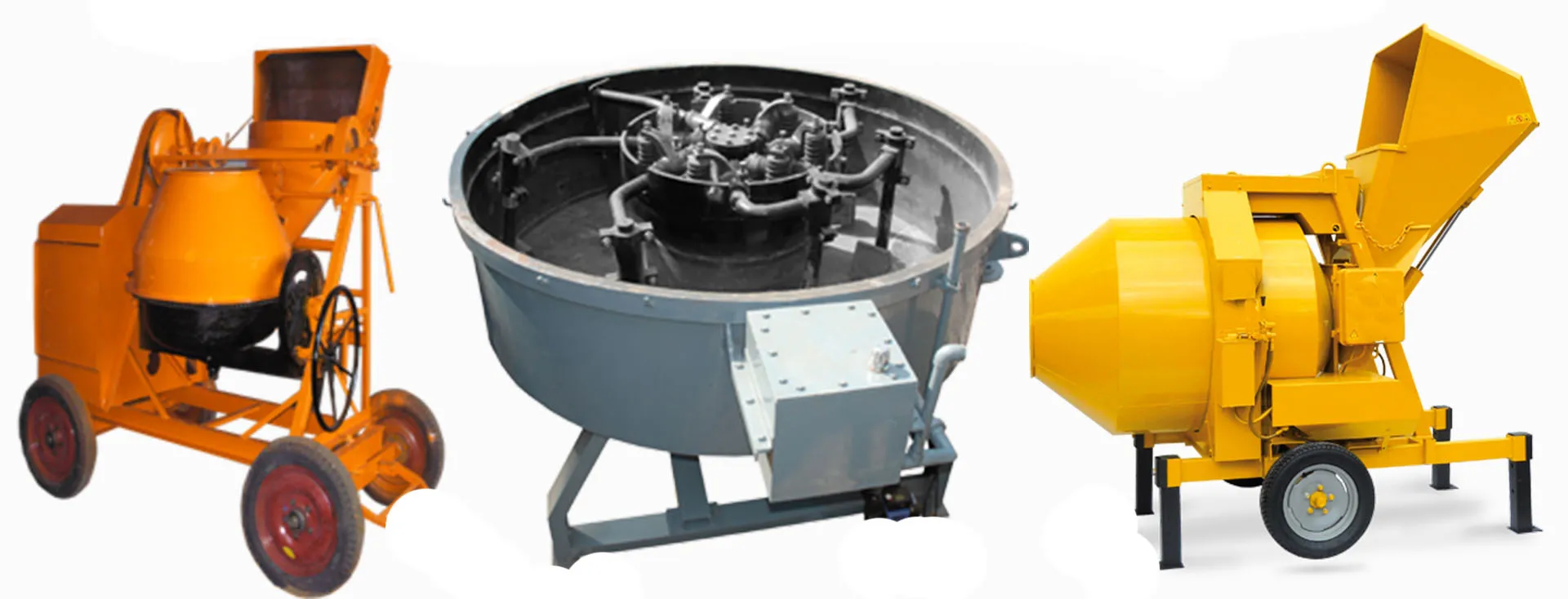
A concrete mixer is one of the most important machines in the construction industry. It combines materials such as cement, sand, gravel, and water to produce the uniform, standard-quality concrete that building and civil engineering projects depend on. Because concrete mixers come in many types and specifications, they can serve projects of very different sizes. This article covers the types of concrete mixers, how they perform, and what matters most when choosing the best model for different projects.
What Is a Concrete Mixer?
A concrete mixer, also known as a drum mixer (betoniere) and, in Iran, as a khallateh or narisaz, is a machine for mixing the raw materials of concrete. It usually consists of a rotating drum or steel vessel in which the raw materials, namely cement, gravel, sand, and water, are mixed. Its job is to create a uniform mix of these materials, to a specified mix design and with acceptable workability, for use in construction projects. There are many types of concrete mixers, from small hand-operated mixers for minor jobs to large industrial concrete mixers for bigger projects.
Concrete Mixer Performance
Mixer performance matters a great deal because the final quality of the concrete depends directly on it. A concrete mixer’s performance covers the following:
Uniform Mixing of Raw Materials
A concrete mixer must be able to mix the raw materials, namely cement, gravel, sand, and water, evenly and in the right proportions to produce uniform, high-quality concrete.
Distribution of Materials over Time
A concrete mixer must distribute the materials evenly and efficiently over time so that all of them are mixed equally.
Complete Mixing of Materials
The mixer must ensure that all materials are fully mixed and that the mix has no defects. This produces concrete with the proper mechanical properties and strength.
Shorter Mixing Time
The mixer should keep the time needed to mix the materials to a minimum while maintaining the quality of the mix.
Safety and Stability
A concrete mixer must be safe and stable to prevent accidents and harm to operators and the work environment.
Given these points, choosing and using a concrete mixer with the right performance is critical to producing concrete of the desired quality and strength.
Tarahan Machinery, a manufacturer of construction machinery, designs and builds all types of concrete mixers, including ready-mix concrete mixers (drum mixers, pan mixers, single-shaft mixers, and twin-shaft mixers) and mixers for precast concrete products (such as block making machine mixers). The company also provides technical and financial proposals, drum mixer (betoniere) price lists, and after-sales service.
Types of Concrete Mixers
Concrete mixers can differ by capacity, drive type, and machine structure. Some common types are:
Mobile Concrete Mixer (Truck Mixer)
This type of concrete mixer usually moves around the project site and is used to prepare concrete on large projects. It has a large tank that holds the concrete ingredients, which a drive unit mixes and then pumps to where they are needed.
Stationary Concrete Mixer
These mixers are used in concrete batching plants to produce ready-mix concrete and specialty concretes. They are available in several models, including the drum mixer, pan mixer, single-shaft mixer, and twin-shaft mixer.
Manual Concrete Mixer (Betoniere)
These mixers are designed for smaller uses such as household or laboratory work and small building projects. Betonieres are made in capacities from 120 to 1000 liters and in two models: girth-gear and bottom-gear.
Vertical Concrete Mixer
These mixers have a vertical shaft for mixing concrete materials and suit projects that need more precise mixing.
Horizontal Concrete Mixer
These mixers work with a horizontal shaft and are useful for medium and large concrete product workshops that need more mixing.
In general, the right concrete mixer depends on the size of the project, the amount of concrete required, and the site conditions.
Concrete Mixer Technical Specifications
A concrete mixer’s technical specifications depend on the machine type, production capacity, drive type, and other features. The usual specifications are:
Production Capacity
The amount of concrete the mixer can produce in one production cycle, usually expressed by volume (for example, cubic meters) or weight (for example, kilograms).
Drive Type
Concrete mixer drives can be electric, diesel, or hydraulic motors. The drive type directly affects the machine’s performance and efficiency.
Mixing System
Mixers can have a vertical or horizontal mixing system. Each has its own characteristics and affects the quality of the concrete.
Tank Dimensions and Volume
The size of the machine and its tank must suit site access and the site’s requirements.
Net Weight
The weight of the machine affects its transport and installation. Lighter machines are better suited to locations with limited access.
Control System
Mixers can have manual or smart control systems. Smart systems (such as PLCs) offer features such as temperature control, moisture control, and scheduling.
Concrete mixer specifications can vary with the specific needs of a project, so review the project’s requirements and conditions before choosing a machine.
Steps and Tips for Choosing the Best Concrete Mixer
The right concrete mixer for a project depends on factors such as concrete requirements, production capacity, site conditions, and place of use. Here are several steps for choosing the right concrete mixer:
Define Your Concrete Requirements
Identify the type of concrete your project needs. Determine whether you need plain concrete, reinforced concrete, self-compacting concrete, or concrete with other special properties.
Calculate Production Capacity
Estimate how much concrete the project needs and how much must be produced in each production cycle.
Analyze Site Conditions
Review the conditions at the project site, including temperature, humidity, and climate (dry, humid, or hot).
Determine the Mixer Type
Choose the concrete mixer type based on your concrete requirements, production capacity, and site conditions. Consider the mixer type (stationary or mobile), the drive type (electric or diesel), and the mixing system (vertical or horizontal).
Determine Dimensions and Tank Size
The dimensions of the concrete mixer and the size of its tank must suit the project site and its conditions. Make sure the mixer you choose can be easily moved and installed on site.
Research Brands and Models
Review different concrete mixer models and brands. Compare technical specifications, user reviews, and prices to make the best choice.
By following these steps, you can choose a concrete mixer that matches your project’s specific needs and conditions. Our experts at Tarahan Machinery are ready to answer your questions and guide you.
Introduction to the Drum Mixer (Betoniere)
A drum mixer (betoniere) is one of the key machines in the construction industry and is used to prepare concrete. It produces concrete by combining materials such as cement, sand, aggregate, and water. Betonieres are used on many kinds of projects, including building, road, and bridge construction, and even home projects.
Note: Because a betoniere mixes concrete into balls, it is not suitable for producing precast concrete products.
Key Technical Specifications of a Betoniere
These are the technical specifications to check on this machine:
Production Capacity
The amount of concrete the machine produces in each production cycle. Capacity is usually expressed by volume (cubic meters of concrete per hour) or weight (kilograms of concrete per hour).
Drive Type
Betonieres can have electric, diesel, or hydraulic motors.
Mixing System
Betonieres can have vertical or horizontal mixing systems. Each has its own characteristics and affects the machine’s performance.
Net Weight
The machine’s net weight affects its transport and installation. Lighter machines are better suited to confined spaces.
Tank Dimensions and Size
The dimensions of the machine and its tank must suit the site conditions and the project’s needs.
Control System
Some betonieres have smart control systems that offer features such as temperature control, scheduling, and tank control.
Concrete Mixer Price
The price of a concrete mixer depends on its use and capacity. Because of the weight and particular nature of wet concrete, ready-mix concrete mixers have stronger gearboxes and electric motors, so they cost more.
The factors that affect the price of a concrete mixer include:
- Body design and material
- Thickness and number of layers of the body plates
- Electric motor brand and power
- Gearbox type and power
- Material of the main shaft and paddles
- Electrical panel and control system
- Warranty period and after-sales service
Choosing a Concrete Mixer with Expert Advice from Tarahan Machinery
Choosing a concrete mixer carefully has a direct effect on the quality of the concrete produced and, ultimately, on the success of construction projects. Since mixers vary widely in capacity, drive type, and mixing system, a project’s needs must be evaluated carefully. The right mixers, performing at their best, can shorten concrete production time, ensure consistent quality, and keep extra costs to a minimum. Knowing the technical specifications and consulting professional experts therefore helps you choose the best machine, which in turn raises productivity and the final quality of construction.
To have a concrete mixer built, buy a concrete mixer, or get advice on special mixers, contact the experts at Tarahan Machinery. After reviewing your needs, they will give you the guidance you need to choose the right concrete mixer.
If you need a mixer for a block, curbstone, or paver workshop, the guide to choosing a block making machine mixer compares pan mixers, vertical mixers, and shaft mixers for dry mix.
If your budget does not cover a new mixer, read the guide to buying a used concrete mixer before you make a deal.



Submit Comment: