


Have you ever gathered blocks from the production floor or moved them after a run, only to find chipped edges, cracks, or corners crumbling to powder? When pumice blocks break, especially lightweight wall blocks, hidden production costs go up, waste increases, and the plant’s profit ultimately shrinks.
Many producers assume the main cause is cement quality, but in practice, block breakage usually comes down to several factors. An unsuitable mortar mix, uncontrolled moisture, poor curing, and of course poor performance of the block making machine can all affect a block’s final strength and its likelihood of cracking and breaking.
Below, we look in simple, practical terms at why pumice blocks break and how to increase their density and strength.
Why Are Pumice Blocks More Sensitive Than Sand Blocks?
Pumice, whether white pumice from Tabriz or black pumice from Qorveh in Iran, has a light, spongy, porous structure. This makes pumice blocks lighter and gives them better thermal and sound insulation, but it also makes them more demanding to produce.
In sand blocks, the grains lock together more easily because of their weight and physical shape. In pumice blocks, if the mortar does not coat the pumice grains well and the machine cannot fully compact the material with proper vibration and pressing, the inside of the block stays loose and weak. The result is a block that looks sound and high quality but breaks during handling, stockpiling, or loading.
4 Main Reasons Lightweight Blocks Break and Crumble
1. Errors in the Mix Design and Mortar Moisture
One of the most important reasons pumice blocks break is poorly adjusted mortar moisture. Pumice absorbs a lot of water. If it is not slightly dampened before entering the mixer, it quickly soaks up the water in the mortar. The cement then lacks enough moisture to set and react properly, and the mortar turns dry, powdery, and poorly bonded.
On the other hand, adding too much water is not the right fix either. Some producers add extra water so the mortar settles into the mold more easily, but once the block dries, that excess water evaporates and leaves voids in its structure. These tiny voids are where cracking and edge chipping begin.
To prevent this problem, it helps to know the principles of preparing standard cement block mortar and the correct water-to-cement ratio. Controlling moisture is one of the simplest yet most effective ways to raise block quality.
To help you learn more about this subject, Tarahan Machinery has prepared an article titled How to Prepare Standard Cement Block Mortar. You can visit it for more information.

2. Uneven Mixing of Materials in the Mixer
Sometimes a producer uses good-quality pumice and suitable cement, yet the plant still turns out brittle products with chipped edges. In that case, the quality of the mortar mixing needs to be checked.
If the cement cannot coat the pumice grains evenly, the block will not have the cohesion it needs. Some parts of the mortar may stay drier while other spots get too wet. This inconsistency means the block does not have the same strength at different points.
Using a standard, powerful concrete mixer matters a great deal, especially for lightweight materials. Suitable mixers such as single-shaft or twin-shaft models turn the materials over better, so cement, water, and pumice combine into a uniform texture. The more homogeneous the mortar, the stronger and more solid the finished block will be.
Tarahan Machinery mixers come in various models to meet customers’ needs. For more information, you can visit the concrete mixer page and review the available products.
3. Weak Vibration and Pressing in the Block Making Machine
One of the most important stages in lightweight block production is compacting the mortar inside the mold. If excess air remains in the material, the block’s strength drops noticeably. Even a small amount of air trapped in the block’s structure can reduce strength and increase the likelihood of breakage.
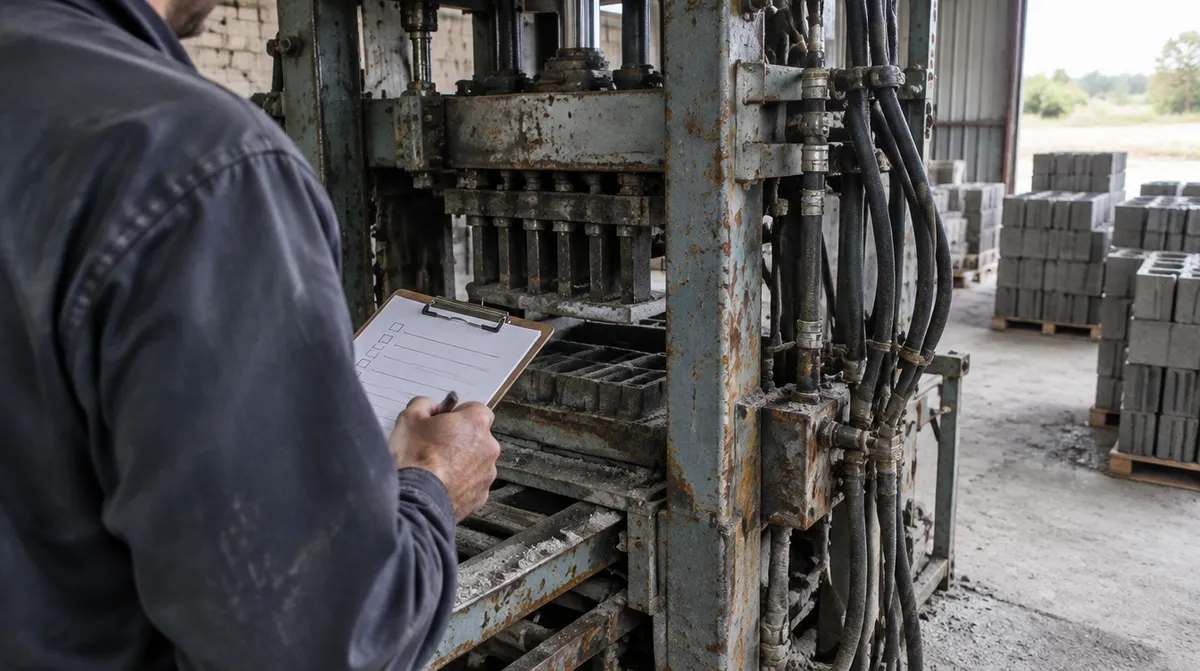
In manual machines, weak semi-automatic machines, or machinery whose vibration and hydraulic systems have weakened, the mortar is not compacted well. As a result, voids remain between the pumice grains and the block ends up open-textured and brittle.
The more precise the machine’s vibration and the more suitable its pressing force, the better the mortar settles in the mold and the better the voids between grains are filled. That is why fully automatic block making machines or powerful stationary machines usually deliver denser, more uniform, and stronger output. Machine power alone is not enough, however; the operator must also know how to match vibration time, intensity, and settings to the type of mortar and pumice.
Tarahan Machinery designs and builds two automatic block making machine models for its customers’ needs. Tarahan Machinery’s machines are built with imported standard components and the latest technology available worldwide. To learn more about the fully automatic models, you can visit the comparison of fully automatic block making machines page and contact the Tarahan Machinery expert team for a free consultation.

4. Improper Curing After Production
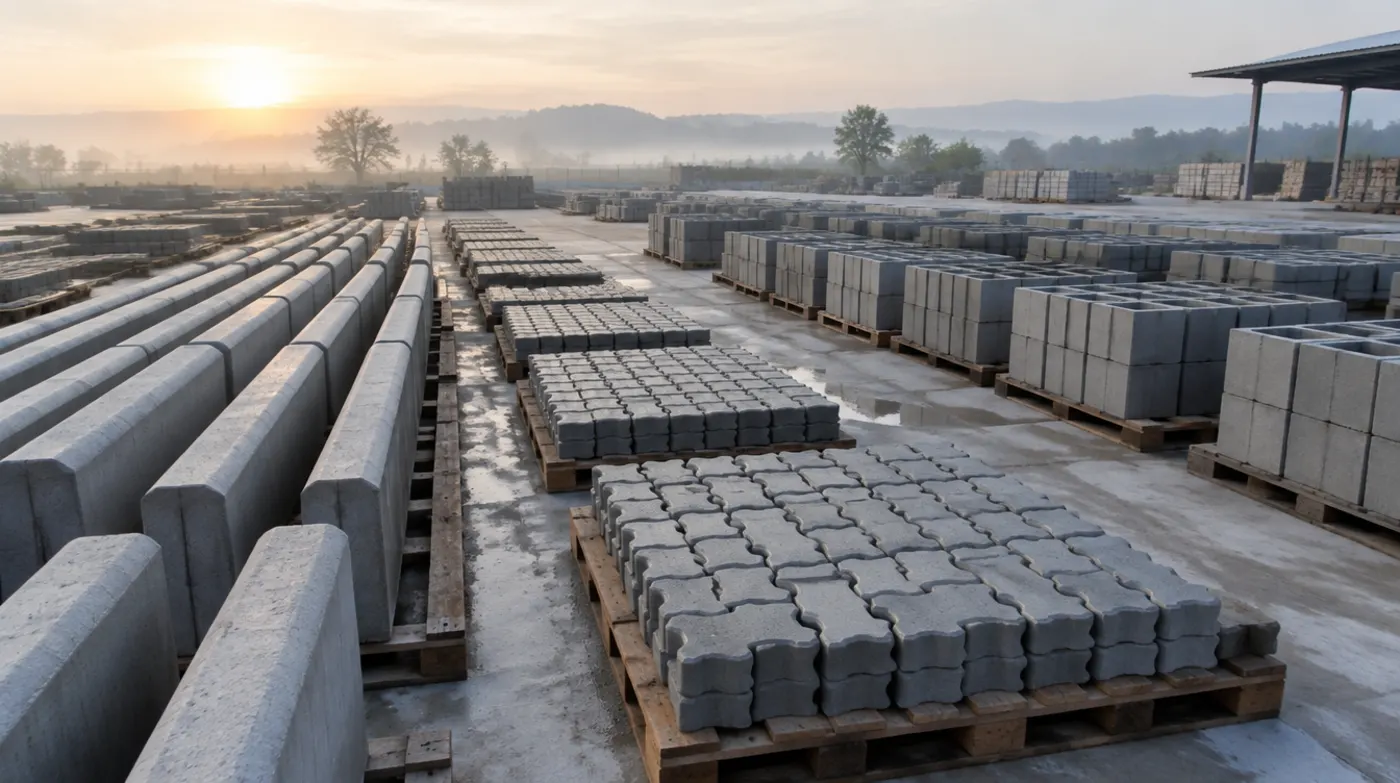
Block quality does not depend only on the moment the product leaves the machine. A freshly made block has not yet reached its final strength and needs care. If it is exposed to intense sun, direct wind, severe cold, or frost during the first hours or days, the water inside its structure is lost too quickly.
When a block’s moisture evaporates sooner than it should, hairline cracks form in its body. These cracks may not be visible at first, but during stockpiling, loading, or transport they turn into larger breaks.
To prevent this problem, blocks should be kept under controlled conditions. Retaining moisture, avoiding direct sunlight, and protecting against frost play an important role in increasing a block’s final strength.
Practical Ways to Increase Pumice Block Density in the Plant
To reduce waste and produce stronger blocks, a few simple but important steps can make a big difference:
1. Choose the Right Pumice Grading
Using coarse pumice alone creates voids between the aggregates. To achieve better density, use a blend of lentil-size pumice, fine pumice, powdered pumice, and in some cases suitable sand.
Finer pumice fills the voids between coarse grains and makes the block body more solid and uniform. A correct blend of Tabriz and Qorveh pumice can also help improve the block’s bonding and physical strength.
2. Use a Standard Admixture Instead of Extra Water
Adding more water to make the mortar flow more easily appears to simplify production, but it ultimately lowers block strength. A better approach is to use standard admixtures, such as superplasticizers suitable for concrete.
These admixtures help the mortar spread better in the mold without pushing the water-to-cement ratio too high. Limited, properly controlled use of polypropylene fibers can also act as a reinforcing network within the block and reduce the likelihood of cracking and edge chipping.
3. Take the Condition of the Machine’s Hydraulic System Seriously
A pressure drop in the block making machine directly affects block quality. If the pump, valves, or other hydraulic components are worn, the required pressure does not reach the mold and the mortar is not compacted enough.
This matters even more in plants with high daily output. The machine must be able to maintain uniform pressure and performance throughout the work shift. Using machinery with high-quality, standard hydraulic components keeps block quality from declining over time.

Consultation on Upgrading Your Production Line with Powerful Tarahan Machinery Equipment
In the end, even the best materials and the most accurate mix design will not produce acceptable output if they are poured into a machine with weak vibration, inadequate pressing, or a non-standard mold. Block quality is the result of coordination between materials, production formula, operator, and machinery.
If your plant is dealing with crumbling edges, rising waste, breaking blocks, or repeated machine failures, the problem may not lie only in your materials. Sometimes proper troubleshooting of the production line, adjusting the machine, or upgrading part of the machinery can raise product quality dramatically.
The Tarahan Machinery technical team is ready to assess your plant and provide expert advice on choosing the right machine, upgrading your current equipment, or fixing production line problems. Our machines’ reputation rests on the quality of your concrete products. For guidance and consultation, contact Tarahan Machinery.
If you are just starting out in lightweight block production, the complete process, from pumice grading to curing, is covered in the guide to pumice block production.




Submit Comment: